Key Takeaways
- Ensuring your rental meets safety standards protects both your investment and your residents.
- Routine checks of smoke detectors, locks, HVAC systems, and exits help prevent accidents and legal issues.
- Specialized PM Indianapolis supports landlords with expert guidance on property safety and compliance.
Are you confident that your rental meets all the necessary safety standards, or do you have a lingering concern that something important might be overlooked? As a rental property owner, maintaining a safe home is not just about avoiding legal issues. It’s about protecting your investment and offering residents a secure place to live.
Safety inspections can feel overwhelming, especially with evolving regulations and ongoing maintenance needs, but they are absolutely essential. In a market like Indianapolis, where residents value security and dependability, being a responsible landlord starts with getting the fundamentals right.
Specialized PM Indianapolis understands how important these standards are and is here to help landlords navigate the process with clarity and confidence.
Peace of Mind Starts with a Safe Property
Safety is more than a checklist. It’s a mindset that builds trust and keeps your rental business strong. Before you hand over the keys, take a closer look. These eight landlord-focused tips will help you ensure your rental meets essential safety standards.
1. Inspect Smoke and Carbon Monoxide Detectors
Start with the basics: smoke and carbon monoxide detectors. In Indianapolis, landlords are required to install working smoke detectors inside every bedroom, outside each sleeping area, and on every level of the home. Carbon monoxide detectors are just as important if your property has gas appliances or an attached garage.
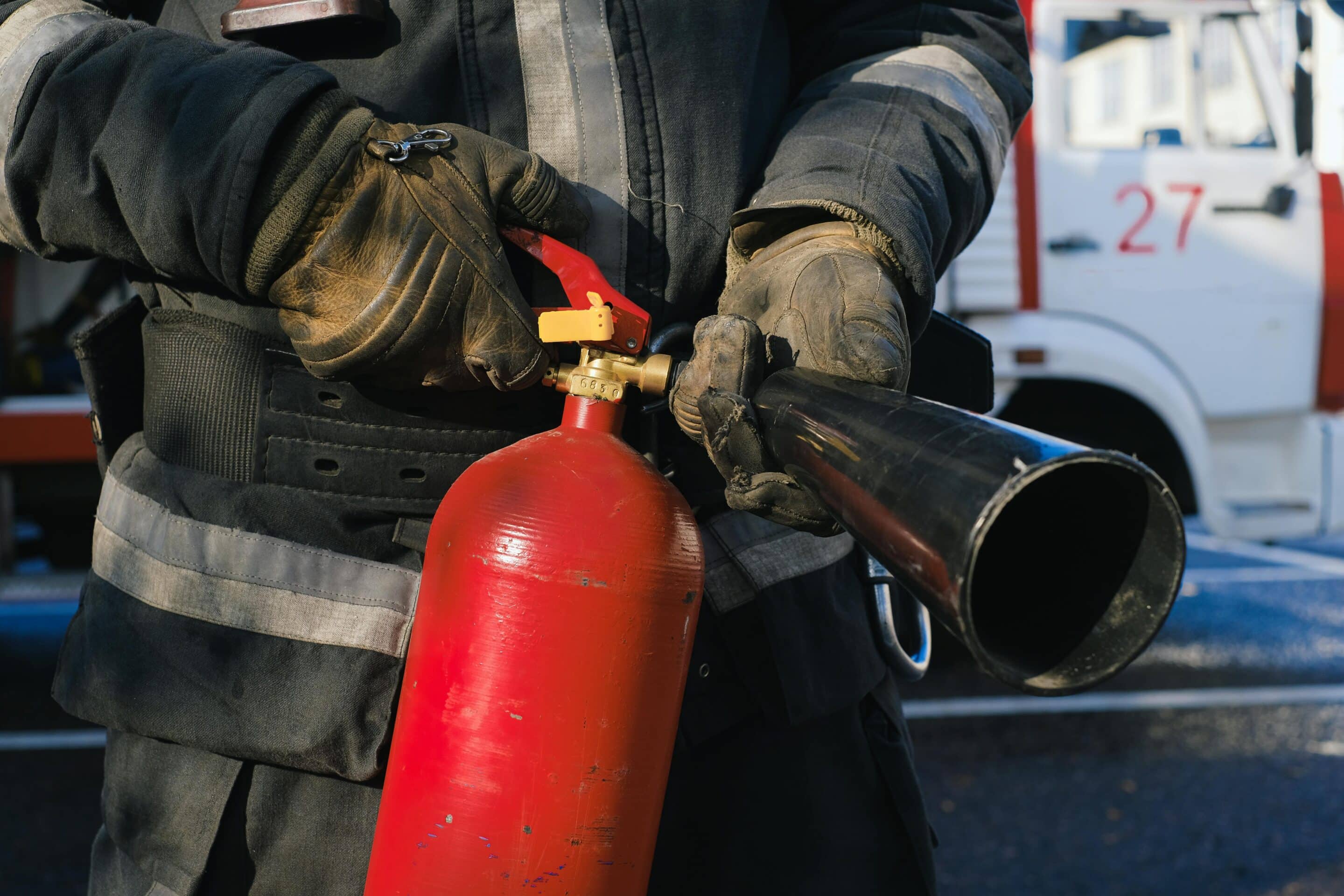
Test each device monthly and replace batteries at least once a year. If detectors are older than 7 to 10 years, it’s time for a replacement. These small devices save lives, and keeping them in working order shows residents their safety is a priority.
2. Check Electrical Systems
Wiring problems are a leading cause of residential fires, so don’t overlook your property’s electrical setup. Check for loose outlets, frayed wires, or outdated breaker panels. In Indianapolis, wet areas like kitchens, bathrooms, and laundry rooms must have GFCI outlets that shut off when moisture is detected.
If anything looks outdated or questionable, bring in a licensed electrician for a full inspection. Updated electrical systems reduce fire risk and help prevent costly emergencies in the future and keep cash flow positive.
3. Test Locks and Window Security
Residents need to feel safe at home, and secure locks play a big part in that. Make sure all exterior doors have functional deadbolts. Windows should open and close easily, without broken latches or loose frames. In multi-family units, confirm that secondary exits are accessible in case of emergencies.
If your rental is in a high-traffic area, consider reinforcing door frames or adding keyed window locks for added protection. Secure homes not only offer peace of mind but also encourage lease renewals.
4. Verify Heating and Cooling Systems
Indianapolis experiences both freezing winters and hot, humid summers, so a reliable HVAC system is essential. Check that heating and cooling units respond properly and maintain a consistent temperature. Filters should be clean, vents clear, and ductwork unobstructed.
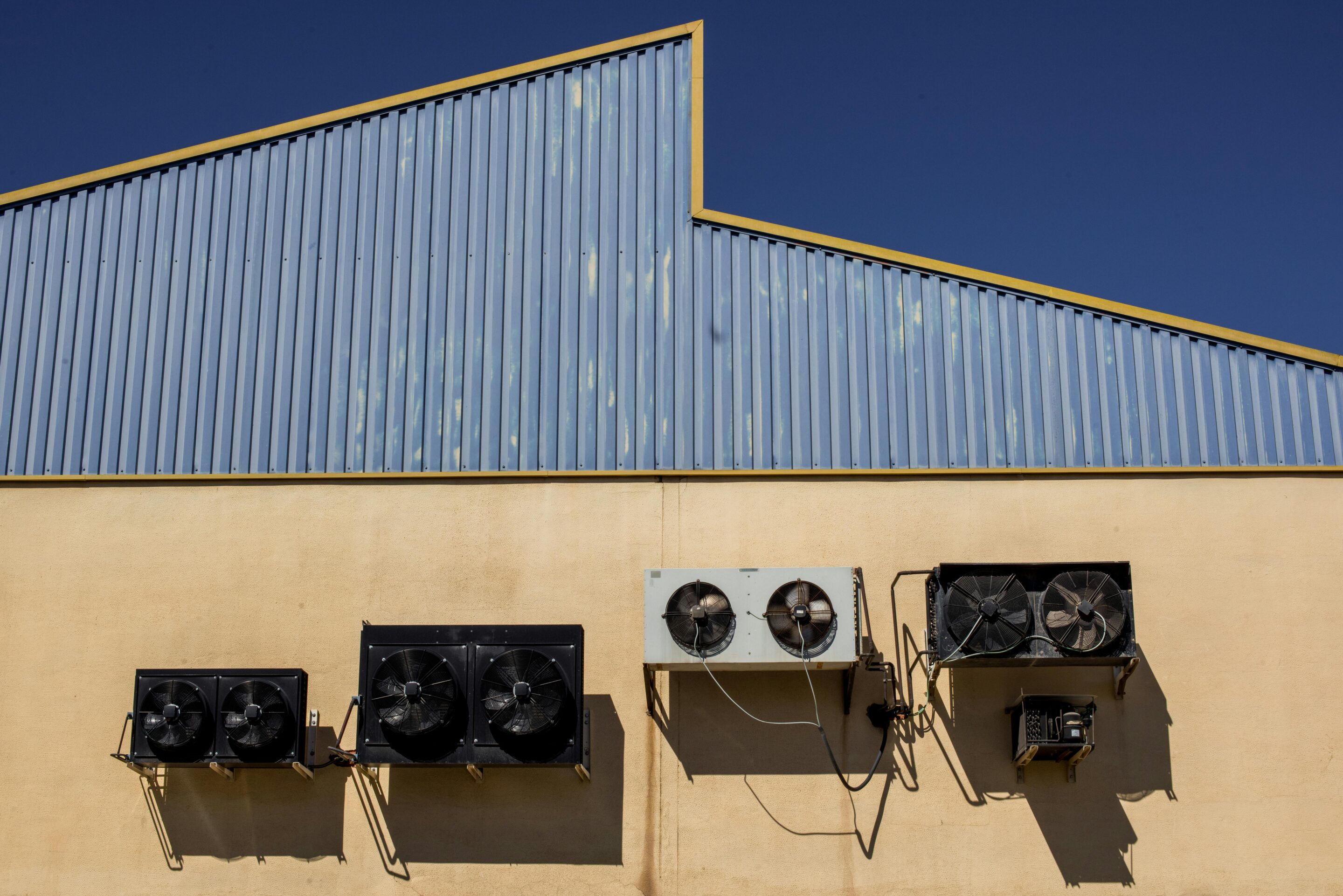
If your system uses gas, confirm there are no carbon monoxide leaks. An annual inspection by a certified technician is a smart way to catch small issues before they grow into larger, more expensive repairs. A comfortable home leads to happier, longer-staying residents.
There are plenty of things landlords should be doing annually but don’t. Make sure checking your electrical system isn’t one of them!
5. Inspect for Mold and Water Damage
In a city like Indianapolis, shifting weather often brings humidity and leaks that lead to mold. Inspect for mold under sinks, behind appliances, around windows, and in basements for discoloration, damp smells, or visible mold.
Mold affects air quality and can cause health problems if left untreated. Address leaks promptly and consider a dehumidifier in consistently moist areas. Keeping your property dry makes it safer and protects its long-term value.
6. Evaluate Stairs and Railings
Walk through your property and test every stair and railing. Indoors or outdoors, steps should be firm and even, and railings should feel secure. This is especially important in Indiana winters when ice increases the risk of slips and falls.
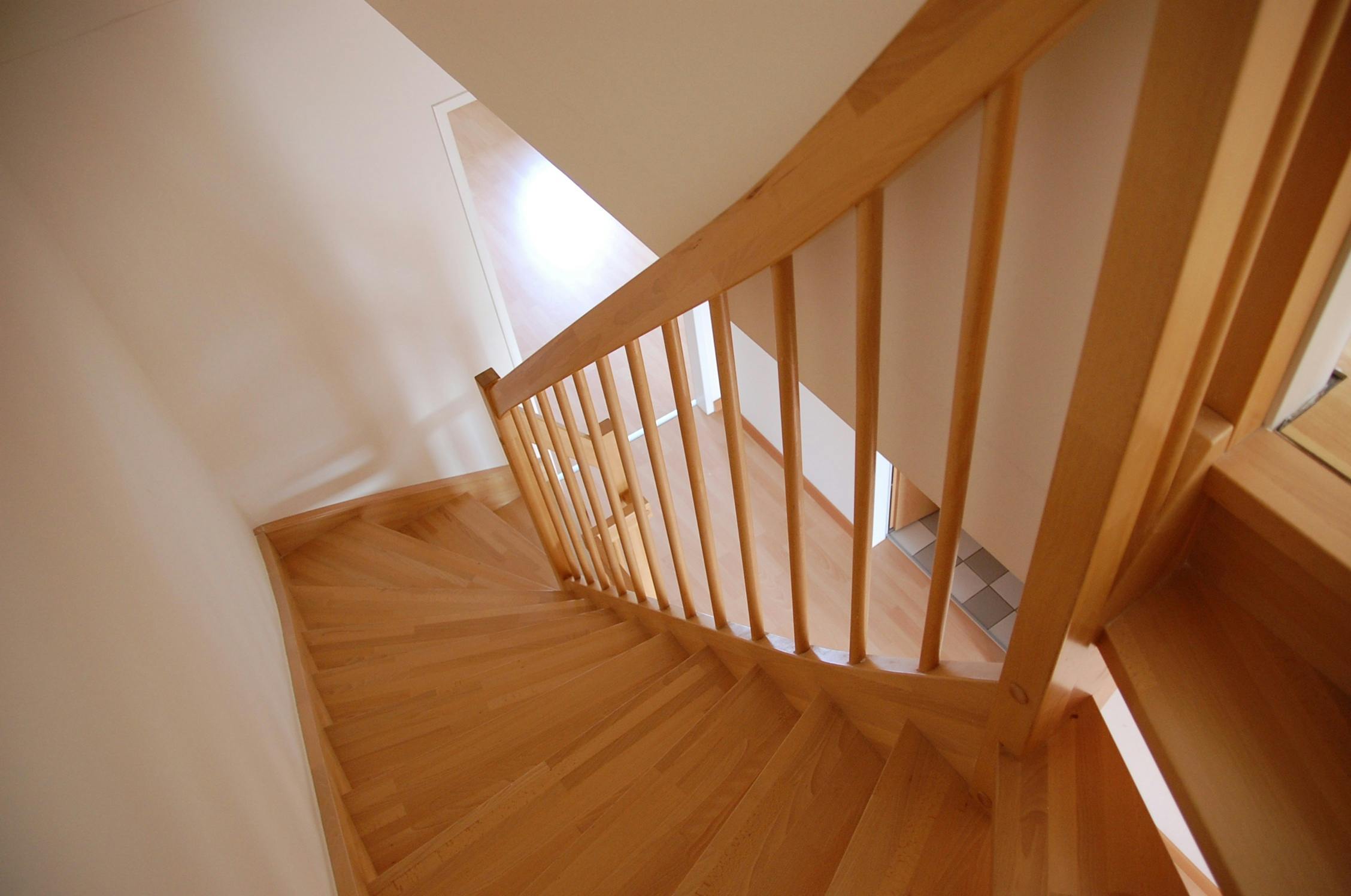
Make sure stairs are non-slip and well-lit, especially in common areas or multi-level homes. Strong stairways are a sign that you prioritize resident safety and accident prevention. Always make it a part of your home inspection checklist.
7. Review Exterior Lighting and Pathways
Walk your property at dusk to see how well-lit it is. Entryways, sidewalks, and driveways should have consistent lighting to reduce tripping hazards and discourage unwanted activity. In Indianapolis, where winter evenings get dark early, lighting is essential for safety.
Check walkways for uneven pavement, loose stones, or cracked steps. Fixing these details improves curb appeal and helps residents feel more secure. It even might help you get more rent for your property.
8. Confirm Fire Escape Routes and Exits
In an emergency, residents must be able to exit quickly and safely. Each unit should have at least two exits, usually a door and a window that opens fully. For upper-level rentals, escape ladders or posted instructions can provide extra clarity.
Test all exit doors to ensure they open easily and aren’t blocked by furniture or storage. In older Indianapolis homes, layouts may not meet current safety codes. A quick review can help ensure compliance. Clear escape routes can make all the difference in a crisis.
Bottom Line
Maintaining safety standards doesn’t need to be overwhelming. With the right approach, you can protect your investment and provide residents with a secure place to live. Specialized PM Indianapolis has the local expertise to help you evaluate your property, close safety gaps, and stay compliant with Indiana regulations.
Whether you’re new to rental ownership or want a second opinion on your property’s condition, their team can guide you through the right steps. Reach out today to create a safer, smarter rental for everyone involved.