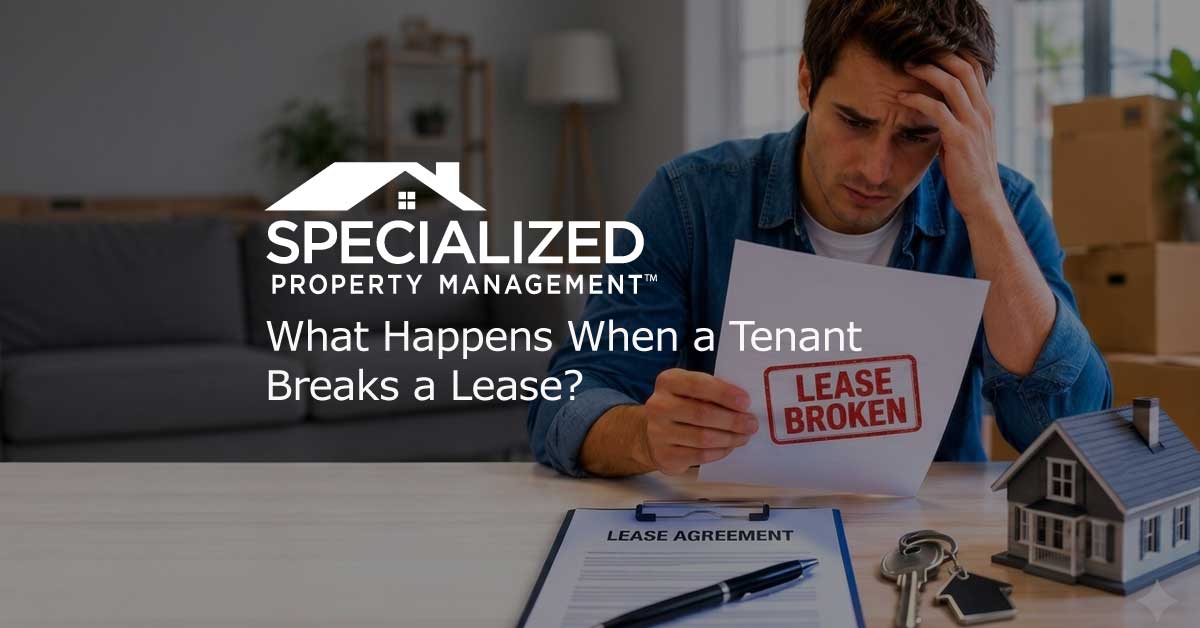
A tenant breaking a lease is one of the most frustrating situations a rental property owner can face. Even with a strong lease agreement and a well-qualified tenant, life happens. A tenant may need to relocate for work, experience a financial change, go through a family transition, or simply decide they want to move before the lease ends.
For property owners, the concern is simple: what happens to the rental income, the vacancy timeline, and the cost of finding a replacement tenant?
If you own rental property in Indianapolis, understanding how lease breaks are typically handled can help you protect your investment, reduce surprises, and respond with a clear plan instead of reacting out of frustration.
What Does It Mean When a Tenant Breaks a Lease?
A lease break occurs when a tenant moves out before the agreed lease term has ended. For example, if a tenant signs a 12-month lease but wants to leave after six months, that is generally considered breaking the lease.
This does not always mean the tenant is acting in bad faith. Sometimes the reason is legitimate and unavoidable. However, from the property owner’s perspective, an early move-out can create financial and operational challenges. The home may need to be inspected, repaired, cleaned, marketed, shown to new applicants, and leased again sooner than expected.
The key is having a process in place before this situation happens.
Why Lease Breaks Matter to Property Owners
The biggest impact of a lease break is usually vacancy. Every day the property sits empty is a day without rental income. In addition to lost rent, owners may also face turnover costs such as cleaning, maintenance, marketing, and leasing coordination.
A lease break can also disrupt cash flow planning. Many owners rely on rental income to cover mortgage payments, insurance, property taxes, repairs, and other expenses. When a tenant leaves early, the owner may need to absorb short-term costs while the property is being prepared and re-rented.
This is why lease structure, tenant screening, and professional management all matter. The goal is not just to respond to lease breaks, but to reduce the likelihood and impact of them.
Common Reasons Tenants Break a Lease
Tenants may break a lease for many reasons. Some are personal, while others may be related to employment, finances, or family circumstances. A tenant may receive a job transfer, lose income, experience a divorce, need to care for a family member, or purchase a home.
In some cases, tenants may simply become unhappy with the property or the living situation. This is where proactive communication and maintenance response can make a difference. Tenants who feel heard and supported are often more likely to stay through the end of their lease or renew.
While not every lease break can be prevented, many can be reduced through proper expectations, clear communication, and good property management practices.
What Happens First When a Tenant Wants to Leave Early?
When a tenant notifies the property manager or owner that they want to leave early, the first step is to review the lease agreement. The lease should outline the tenant’s responsibilities, notice requirements, potential fees, and the process for early termination.
From there, the next step is usually to document the tenant’s request in writing and establish a timeline. This helps avoid confusion and ensures both the tenant and owner understand what happens next.
A professional property management company can help guide the process, communicate expectations clearly, and make sure the property is positioned to be re-rented as efficiently as possible.
Does the Tenant Still Owe Rent?
In many situations, a tenant may remain responsible for rent until the property is re-rented or until the lease obligation is otherwise resolved according to the lease terms and applicable law. However, rules can vary depending on the lease agreement and local regulations.
This is why owners should avoid making assumptions or handling lease breaks casually. A properly written lease and a consistent process help protect the owner while ensuring the situation is handled fairly.
Because lease-break situations can be complex and costly, many property owners in Indianapolis choose to work with Specialized Property Management. Our experienced Indianapolis rental property management teams help rental property owners navigate the process, reduce vacancy time, and quickly position the property to attract qualified replacement tenants, helping protect both rental income and long-term investment performance.
The Owner’s Responsibility to Re-Rent the Property
When a tenant breaks a lease, the owner’s goal should be to re-rent the property as quickly as possible to minimize lost income. This usually means beginning the turnover and marketing process as soon as practical.
The property may need to be inspected, cleaned, repaired, photographed, listed, and shown to prospective tenants. The faster these steps happen, the less financial disruption the owner is likely to experience.
This is one of the major advantages of professional property management. Instead of starting from scratch, Specialized Property Management has proven systems in place for turnover coordination, marketing, leasing, and tenant screening.
How Property Management Reduces the Impact of Lease Breaks
A lease break can be stressful, but it does not have to become chaotic. When you have Specialized Property Management Indianapolis in your corner, our team will take control and handle the entire process from the moment the tenant gives notice.
The property manager can review the lease, communicate with the tenant, coordinate the move-out inspection, assess necessary repairs, begin marketing, schedule showings, screen applicants, and prepare the next lease.
This reduces downtime and helps protect the owner from costly delays. It also keeps communication professional, which is especially important when emotions are involved.
Why Tenant Screening Matters Before the Lease Is Signed
The best way to handle a lease break is to reduce the likelihood of one happening in the first place. This starts with proper tenant screening.
A strong screening process looks at more than whether an applicant can pay the first month’s rent. It evaluates income stability, rental history, credit patterns, employment, and overall qualification standards.
While no screening process can guarantee that a tenant will complete the entire lease term, better screening can reduce avoidable risk and increase the likelihood of stable occupancy.
Specialized Property Management’s Tenant Guarantee
One of the biggest concerns for rental property owners is not just how quickly a home rents, but what happens if the tenant does not work out. This is where having the right property management partner can make a measurable difference.
Specialized Property Management offers a Tenant Placement Promise: If the tenant doesn’t remain for 10 months or more, the next leasing fee is on us.
For owners, this type of protection can provide added confidence and reduce the financial burden that often comes with early lease termination.
Common Mistakes Owners Make When a Tenant Breaks a Lease
One of the most common mistakes owners make is waiting too long to take action. Delays in communication, repairs, marketing, or pricing can extend vacancy and increase losses.
Another common mistake is handling the situation emotionally. Lease breaks can feel personal, especially if the tenant is leaving unexpectedly, but rental property should be managed like a business. The focus should be on documentation, communication, and getting the property re-rented quickly.
Owners may also make the mistake of assuming the property can be listed immediately without first addressing condition issues. A home that is not clean, repaired, or properly presented may sit longer on the market and attract weaker applicants.
How to Prepare for Lease Breaks Before They Happen
The best time to prepare for a lease break is before the lease is ever signed. A strong lease agreement, clear tenant expectations, thorough screening, routine communication, and responsive maintenance all help reduce risk.
Owners should also have a plan for turnover. Knowing who will handle repairs, cleaning, marketing, showings, and applications can make a major difference when time matters.
With Specialized Property Management Indianapolis owners benefit from having these systems already in place.
Frequently Asked Questions
1. What happens when a tenant breaks a lease?
When a tenant breaks a lease, the lease agreement is reviewed, the tenant’s responsibilities are clarified, and the property is prepared to be re-rented as quickly as possible. The goal is to minimize vacancy and reduce financial loss for the owner.
2. Can a tenant break a lease without penalty?
It depends on the lease terms and applicable local laws. Some situations may allow early termination under specific circumstances, while others may require the tenant to continue paying rent or fees until the property is re-rented.
3. How can property owners reduce the risk of lease breaks?
Owners can reduce risk through strong tenant screening, clear lease agreements, responsive maintenance, and consistent communication. A professional property management company can help create and enforce these systems.
4. How long does it take to re-rent a property after a lease break?
The timeline depends on the condition of the home, current market demand, pricing, and how quickly the property can be made rent ready. A structured turnover and marketing process can help reduce vacancy time.
5. Does property management help when a tenant breaks a lease?
Yes. Property management helps by handling communication, documentation, inspections, repairs, marketing, showings, screening, and lease preparation for the next tenant.
Get a Free Rental Analysis for Your Indianapolis Property
Specialized Property Management helps rental property owners protect their investments with professional leasing, tenant screening, and management systems designed to reduce risk.
Contact us today for a free rental analysis and learn how professional property management can help protect your rental income, reduce vacancy, and simplify ownership.
Visit our website or call us at: 317-969-8531