Turning your home into a rental property can be a smart way to generate income and build long-term wealth. However, the process involves more than just finding tenants and collecting rent.
Whether you’re looking to monetize an unused property or plan to move and keep your home as an investment, taking the proper steps ensures success. This guide walks you through everything from preparing your property to managing tenants effectively.
Benefits of Renting Out Your Home
Renting out your home offers multiple advantages:
- Steady Income: Rental payments can help cover your mortgage, taxes, and maintenance expenses.
- Wealth Building: Over time, rental income contributes to financial growth, especially if property values increase.
- Tax Advantages: Landlords can deduct expenses such as repairs, mortgage interest, and property management fees.
- Flexibility: If you’re moving but don’t want to sell, renting allows you to retain ownership while generating income.
Additionally, renting your home allows you to hold onto the property while waiting for market conditions to improve. This can be a great option if you’re considering selling in the future but want to wait for a better price.
Evaluate Your Property’s Rental Potential
Before converting your home into a rental, assess its suitability:
- Location: Homes in desirable neighborhoods, near schools, or with easy access to public transportation are more attractive to tenants.
- Condition: Ensure your home is safe, clean, and move-in ready. Address repairs or upgrades, such as fixing plumbing issues, replacing broken fixtures, or repainting.
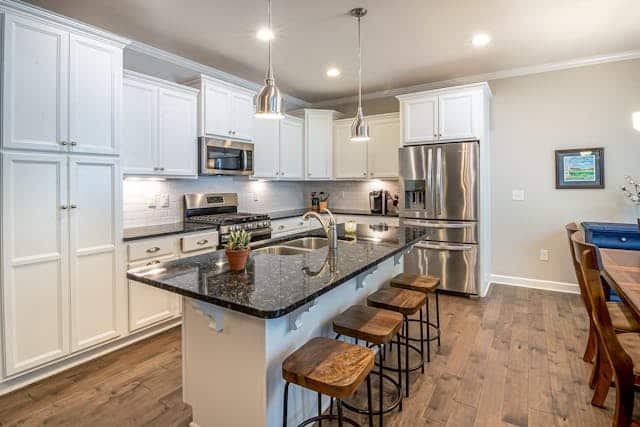
- Market Appeal: Consider the amenities renters value, such as updated appliances, ample storage, and energy-efficient features.
Consider also evaluating whether additional investments, like furnishing the property or adding smart home features, could enhance its appeal and justify a higher rent.
Understand Legal Requirements
Renting out property involves meeting specific legal obligations:
- Zoning Laws: Confirm your local regulations allow rentals in your area.
- Permits: Some locations require rental licenses or permits before leasing.
- Safety Standards: Ensure your property complies with safety regulations, including smoke detectors, secure doors and windows, and functional exits.
- Lease Agreement: Draft a detailed lease outlining rent terms, tenant responsibilities, and procedures for maintenance and security deposits.

Familiarize yourself with landlord-tenant laws in your area to avoid legal pitfalls and ensure you understand eviction processes, notice periods, and dispute resolution.
Prepare Your Property for Renters
Making your property tenant-ready is essential to attract quality renters:
- Repairs: Address any structural or functional issues, including leaks, electrical problems, or broken appliances.
- Upgrades: Invest in cost-effective improvements like fresh paint, updated lighting, or modern faucets to enhance appeal.
- Safety Checks: Inspect plumbing, heating, and electrical systems for compliance with local safety codes.
- Cleanliness: Deep-clean the entire property, including carpets, windows, and common areas, to make it inviting.
Consider staging the property for showings or taking high-quality photos to highlight its best features.
Set a Competitive Rental Price
Research local rental rates to determine the best price for your property:
- Compare homes of similar size, location, and condition in your area.
- Avoid overpricing, which can deter potential renters, or underpricing, which limits your income potential.
- Use online tools or consult real estate professionals for accurate pricing insights.
Your rental price should reflect market trends while covering your costs and ensuring profitability.
Draft a Clear Lease Agreement
A comprehensive lease agreement protects your interests and provides clarity to tenants. Include the following:
- Rent Terms: Specify the amount, due date, and penalties for late payments.
- Tenant Responsibilities: Outline rules for maintenance, utilities, and property care.
- Duration: State the lease term (e.g., one year) and conditions for renewal.
- Security Deposit: Detail the amount, usage conditions, and refund process.
Clearly communicate policies on guests, noise levels, and other relevant guidelines.
Market Your Property Effectively
To attract reliable tenants, focus on professional marketing:
- Photography: Use high-quality photos highlighting key features such as spacious rooms, modern kitchens, or outdoor spaces.
- Descriptions: Write concise, appealing listings that emphasize amenities and location benefits.
- Platforms: Advertise on rental websites, local classifieds, and social media.
Screen applicants thoroughly by checking credit reports, rental history, and references to ensure they’re responsible tenants.
Manage Your Rental Property Efficiently
Being an effective landlord requires ongoing effort:
- Maintenance: Set up a system to handle repair requests promptly. Proactive upkeep prevents larger issues.
- Communication: Maintain open and respectful communication with tenants. Be available for questions or emergencies.
- Inspections: Conduct regular inspections to ensure the property remains in good condition.

Consider hiring a property management service if you prefer a hands-off approach.
Understand Tax Implications
Rental income is taxable, so keep accurate records of all income and expenses. Deductible costs include:
- Property maintenance and repairs
- Insurance premiums
- Mortgage interest
- Property management fees
Consult a tax professional to ensure compliance and maximize your deductions.
Take the Next Step
Converting your home into a rental property is a big decision, but you don’t have to do it alone. Specialized Property Management Indianapolis offers expert services to guide you through the entire process, from setting the right price to handling tenant relations and property maintenance.
Their experience ensures that your property is well-managed and profitable. Reach out to them today to discuss your options and find the best solution for your rental property needs.