Key Takeaways
- Leverage Technology for Efficiency: Use online rent collection platforms, property management software, and smart home technology to streamline operations and stay connected with tenants remotely.
- Establish Strong Local Support: Build relationships with reliable contractors or hire a property manager to handle maintenance, tenant issues, and legal compliance on your behalf.
- Stay Legally Compliant: Understand and adhere to local landlord-tenant laws, conduct routine property inspections, and maintain proper insurance coverage to protect your investment.
Owning a rental property can be a lucrative investment, but managing it from afar presents unique challenges. Whether you have relocated for work, inherited a rental property in another state, or simply expanded your portfolio to a different location, being a long-distance landlord requires strategic planning, effective communication, and the right support system.
Fortunately, with the right approach, you can successfully manage your rental property without living nearby. Let our knowledgeable team at Specialized PM Indianapolis help guide you through the process.
Understanding the Challenges of Remote Property Management
Managing a rental property from a distance comes with several obstacles, including tenant communication, property maintenance, and legal compliance. Without being physically present, responding to maintenance requests, handling emergencies, and screening tenants can become difficult.
Additionally, laws and regulations governing rental properties vary by state, and staying compliant requires a thorough understanding of local requirements. To successfully surpass these challenges, remote landlords must implement efficient systems that ensure seamless operations and minimize risks.
Establish Strong Tenant Relationships
Your tenants play a crucial role in the success of your rental property, especially when you are not physically present. A trustworthy and responsible tenant can make long-distance property management significantly easier. To build a strong landlord-tenant relationship:
- Screen Tenants Thoroughly: Conducting a detailed screening process helps you find reliable tenants who will take care of your property. Check their credit history, employment status, rental history, and criminal background to ensure they meet your criteria.
- Set Clear Expectations: A well-drafted lease agreement outlining maintenance responsibilities, rent payment schedules, and property rules helps prevent misunderstandings.
- Maintain Open Communication: Establishing an efficient communication channel ensures that tenants can easily reach you for any concerns. Encourage tenants to report issues promptly and be responsive to their needs.
Use Technology to Manage Your Rental Efficiently
Technology has made remote property management more accessible than ever. As a long-distance landlord, leveraging digital tools can help you oversee operations efficiently. Consider using:
- Online Rent Collection Platforms: Services like PayPal, Venmo, or specialized platforms such as Cozy and Avail allow tenants to pay rent online, reducing the chances of missed payments.
- Property Management Software: Platforms like Buildium, AppFolio, and Rentec Direct provide solutions for lease tracking, maintenance requests, and tenant communication so that all of your essential documents are organized and easy to access.
- Smart Home Technology: Installing smart locks and security cameras allows you to monitor your property remotely and grant access to maintenance professionals when needed.

By embracing these tools, you can reduce the burden of long-distance property management and ensure a smooth operation.
Hire a Local Property Manager for Hassle-Free Management
One of the most effective ways to manage a rental property remotely is by hiring a professional property management company. A property manager serves as your on-the-ground representative, handling daily operations, tenant relations, and property maintenance.
Benefits of Working with a Property Management Company
- Hands-Off Maintenance and Repairs: Property managers coordinate repairs and maintenance, ensuring that issues are resolved promptly. This prevents minor problems from escalating into costly repairs.
- Effective Tenant Screening and Management: A professional property manager has experience in selecting reliable tenants, reducing the risk of late payments or property damage.
- Local Market Knowledge: Property managers understand rental market trends and can help you price your property competitively to attract quality tenants.
- Legal Compliance: They stay updated on local and state regulations, ensuring that your rental complies with fair housing laws, eviction procedures, and other legal requirements.
- Emergency Response: Property managers handle tenant emergencies and urgent repairs, giving you peace of mind.
While hiring a property manager involves a cost, the time, stress, and effort saved often outweigh the expense. If you own multiple properties or have a busy schedule, professional management is a worthwhile investment.
Schedule Routine Property Inspections
Regular property inspections are essential to ensure that your rental remains in good condition and that tenants comply with the lease terms. While you may not be able to inspect the property yourself, you can arrange for:
- Annual or Biannual Professional Inspections: Hiring a local property inspector can help identify potential maintenance issues before they become costly repairs.
- Virtual Inspections: Asking tenants to provide video or photo updates allows you to assess the property’s condition remotely.
- Property Manager Inspections: If you have a property manager, they can conduct routine inspections and report any concerns.
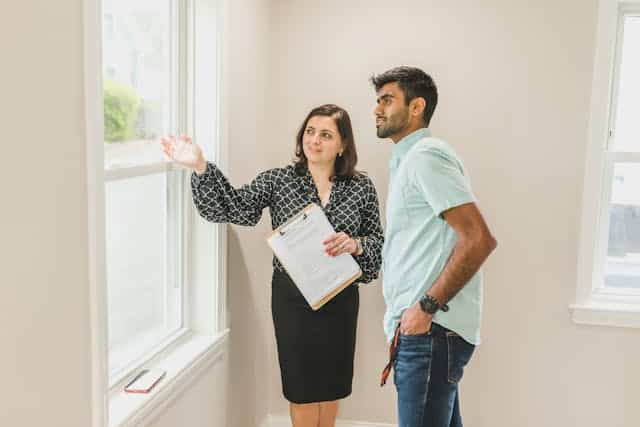
Scheduled inspections help maintain property value and prevent avoidable damages caused by negligence or unreported issues.
Have a Network of Trusted Local Contractors
Property maintenance is inevitable, and having a reliable team of local contractors ensures that repairs are addressed quickly. Establish relationships with:
- Plumbers and electricians for emergency repairs.
- HVAC technicians for seasonal maintenance.
- Landscapers if your rental has a yard.
- General contractors for major renovations or remodeling.
A property management company can also assist in maintaining a list of reliable service providers, ensuring that any issue is addressed promptly.
Stay Compliant with Local Landlord-Tenant Laws
Each state and city has specific rental laws governing lease agreements, security deposits, eviction processes, and tenant rights. Failing to comply with these laws can lead to legal issues or financial penalties. To stay informed:
- Research State and Local Laws: Review landlord-tenant regulations specific to your property’s location.
- Consult a Real Estate Attorney: Seeking legal advice ensures that your lease agreements and policies are compliant.
- Work with a Property Manager: Property management companies have legal expertise and can help keep your rental business in compliance.
Develop an Emergency Plan
Unexpected situations such as natural disasters, plumbing failures, or tenant disputes can arise at any time. Having a well-defined emergency plan ensures that such issues are handled promptly. Your emergency plan should include:
- A list of emergency contacts, including your property manager, contractors, and local authorities.
- Clear guidelines for tenants on what to do in case of an emergency.
- A financial reserve to cover urgent repairs or legal matters.
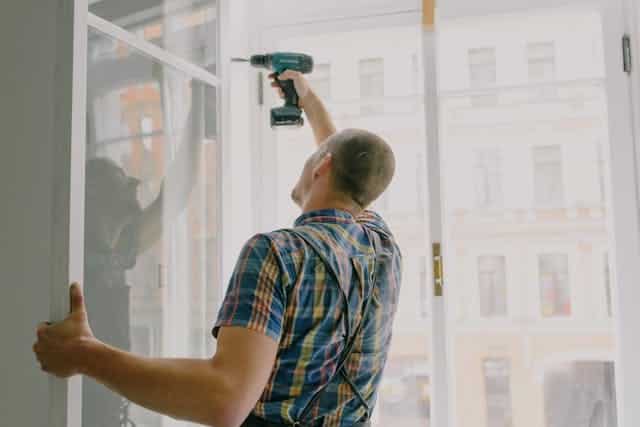
By planning ahead, you can minimize disruptions and keep your property running smoothly.
Consider Landlord Insurance for Additional Protection
Standard homeowners insurance may not provide sufficient coverage for rental properties. Landlord insurance offers protection against property damage, lost rental income, and liability claims. Be sure to:
- Choose a policy that includes coverage for tenant-related damages and legal costs.
- Review different insurance providers to find the best plan for your needs.
- Consider additional coverage for natural disasters if your property is in a high-risk area.
Having the right insurance policy can provide financial security and reduce potential risks associated with long-distance property management.
Bottom Line
Being a long-distance landlord requires a proactive approach, reliable tenant relationships, and the use of technology to streamline operations. While remote property management can be challenging, implementing smart strategies can ensure your rental remains profitable and stress-free.
If managing your property from afar becomes overwhelming, consider partnering with a professional property management company. Their expertise, local knowledge, and hands-on approach will help protect your investment and provide peace of mind.
Contact Specialized PM Indianapolis if you need more assistance.