A solid lease agreement is crucial for any landlord. It’s more than just a formal document; it’s a blueprint that protects your property, sets expectations for tenants, and lays out legal obligations for both parties. Without a well-written lease, you open yourself up to misunderstandings, disputes, and even costly lawsuits.
What Is a Lease Agreement?
A lease agreement is a legally binding contract between a landlord and tenant. It outlines the terms of renting a property, including details about rent, property maintenance, tenant responsibilities, and what happens if the lease is broken.
This document is essential because it provides legal protection. Without it, you risk operating in a gray area, which can lead to disputes, confusion, or financial losses.
Why a Solid Lease Agreement Is Important
A strong lease agreement ensures that you, as a landlord, comply with local laws and regulations. It also gives you a legal framework to resolve disputes.
A good lease makes it clear what is expected of both parties. From the tenant’s perspective, they will know exactly what they are responsible for, whether it’s paying rent on time, maintaining the property, or adhering to community rules.
By covering every aspect of the rental agreement, you can avoid potential conflicts down the line, such as misunderstandings about pet policies, parking, or property maintenance.
Key Components of a Solid Lease Agreement
Every lease agreement should cover the following elements:

1. Rent Details
This section should clearly outline the rent amount, due date, payment methods, and any late fees. Specify what happens if a tenant fails to pay on time, and whether there is any grace period before penalties are applied.
Be very specific about how rent should be paid. Whether through bank transfer, online payment platforms, or checks, ensure that there is no room for confusion.
2. Lease Term
The lease term specifies how long the tenant can occupy the property. This could be a fixed-term lease or a month-to-month arrangement. You’ll also want to include details about how the lease can be renewed or terminated.
If your lease is fixed-term, outline the process for renewing the lease or switching to a month-to-month arrangement if that’s an option.
3. Security Deposits
The security deposit serves as a safety net for the landlord in case of property damage or unpaid rent. Your lease should specify the amount of the deposit, how it can be used, and the process for returning it at the end of the lease.
Be sure to comply with local laws regarding the maximum amount you can collect and the time frame for returning it to tenants after they move out.
4. Maintenance Responsibilities
This section clarifies who is responsible for property upkeep. Outline the tenant’s obligations, such as lawn care, snow removal, or minor repairs.

State the consequences if a tenant fails to maintain the property according to the lease terms. Clearly indicate what the landlord will handle, like HVAC maintenance or major plumbing repairs.
5. Policies on Pets, Smoking, and Guests
If you have rules about renting to tenants with pets, smoking, or long-term guests, make sure they’re clearly written in the lease. If you permit pets, include details about pet fees and the types of pets allowed.
Some landlords opt for “pet deposits” or “pet rent” in addition to the security deposit to cover potential damage from animals.
6. Rules for Early Termination
A tenant may need to break a lease early. Specify the conditions under which this is allowed, such as job relocation or military deployment. You should also include details about any fees the tenant would be required to pay for early termination.
7. Property Access
Landlords need access to their property for inspections or repairs, but this access must be reasonable. Include details about how much notice you’ll give before entering the property and under what conditions. Most states require at least 24-hour notice before you can enter the property, except in emergency situations.
8. Dispute Resolution
It’s a good idea to include a clause outlining how disputes between you and the tenant will be handled. Whether through mediation, arbitration, or small claims court, setting expectations in advance can save time and money.
How a Property Management Company Can Help
Creating a solid lease agreement can feel overwhelming, especially if you’re managing multiple properties or are new to real estate investing.
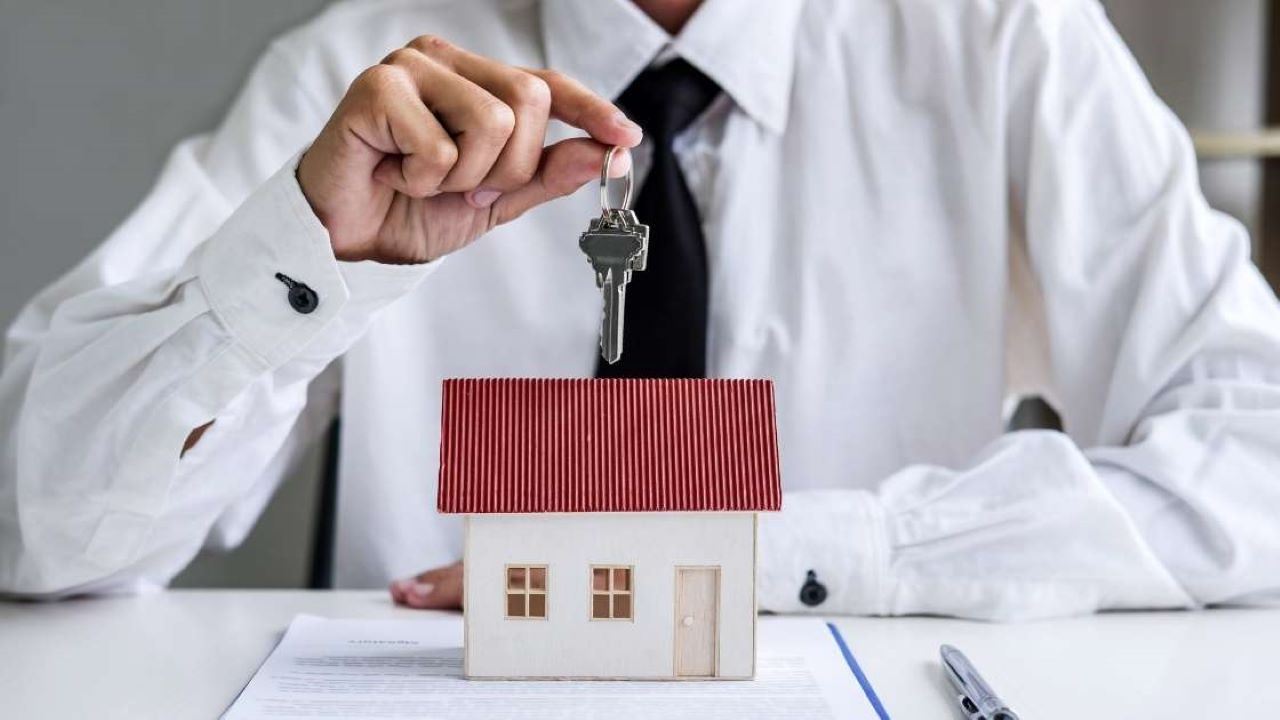
This is where hiring a property manager can be a game-changer. They specialize in managing rental properties and are equipped to handle everything from tenant screening to lease enforcement.
Here’s how they can help you craft the perfect lease agreement:
1. Expert Knowledge of Local Laws
A professional property management company will have in-depth knowledge of your local and state landlord-tenant laws. They ensure that your lease complies with all legal requirements, which can help you avoid lawsuits or penalties.
H3: 2. Customizable Lease Templates
Many property management companies offer customizable lease templates that already include standard clauses. This saves you time while ensuring that no key component is missing. They can also adjust the lease to meet the specific needs of your property, such as adding clauses about amenities, utilities, or HOA rules.
3. Tenant Screening and Lease Enforcement
A property management company knows what to look for in background checks, credit reports, and rental histories. By finding the right tenants, you reduce the likelihood of needing to enforce strict lease terms or deal with non-payment issues.
Additionally, if a tenant does violate the lease agreement, the property management company will handle the enforcement, whether that means issuing notices or starting eviction proceedings.
Conclusion
A solid lease agreement is one of the most critical tools in a landlord’s arsenal. It helps set expectations, protect your property, and reduce the risk of disputes. While you can draft a lease yourself, hiring a property management company can make the process much easier and more effective.
By having professionals craft your lease, stay on top of legal requirements, and handle the day-to-day management, you can focus on growing your real estate portfolio without the added stress of property issues. If you need assistance, call our experts at Specialized PM Indianapolis. We’ll be happy to help!