
Key Takeaways
- Landlords must respect tenant privacy rights, including giving proper notice before entry, safeguarding personal information, and avoiding unlawful surveillance.
- Acceptable reasons for entering a rental include emergencies, inspections, repairs, or with tenant consent.
- Protecting tenant data through encryption, secure systems, and experienced property management is essential for compliance.
After a lease is signed, both landlords and tenants gain specific legal rights and responsibilities. One of the most important rights tenants have is the right to privacy. As a landlord, understanding and respecting those boundaries is essential to maintaining a professional relationship and protecting yourself from legal risk.
When tenants feel their privacy is valued, they are more likely to care for the property, follow lease terms, and renew their lease. On the other hand, privacy violations can quickly escalate into legal disputes and damage your reputation as a landlord.
In this guide, our team at Specialized PM Indianapolis breaks down what landlords need to know about tenant privacy rights and how to stay compliant with Indiana state law and broader federal expectations.
What Are Tenant Privacy Laws?
Tenant privacy laws exist to protect renters from unwanted intrusion and abuse of power by landlords. These laws define when, how, and why you can enter a rental property and how to handle sensitive tenant information. This goes for local and long-distance landlords.
The Right to Quiet Enjoyment
This is a foundational tenant right. It means the tenant is entitled to the undisturbed use of their home. As a landlord, you must respect this by limiting entry to times when it is legally justified and conducted respectfully.

Tenants have the right to live in their home without repeated disruptions from their landlord or third-party contractors.
The Right to Advance Notice Before Entry
In nearly every state, including Indiana, landlords are required to provide prior notice before entering a tenant’s home. Indiana law requires that landlords give at least 24 hours’ notice, and entry should occur during reasonable business hours.
There are exceptions for emergencies, such as fires, gas leaks, or burst pipes, but entering unannounced without cause may be considered harassment and could result in penalties or lawsuits.
The Right to Personal Data Protection
Tenants share sensitive information during the rental application and lease process. This may include Social Security numbers, bank account details, credit histories, and employment verification. As a landlord, you must store and handle this information securely. Sharing it without permission or failing to protect it can lead to legal consequences.
The Right to Be Free from Illegal Surveillance
While you may install cameras in public or common areas such as hallways, parking lots, or lobbies, you cannot place surveillance equipment inside a tenant’s unit. Areas such as living rooms, bedrooms, kitchens, and bathrooms are off-limits. Recording in these private spaces is a clear violation of privacy rights, regardless of the intent.
When Can a Landlord Enter a Tenant’s Home?
While tenants have the right to privacy, there are situations when you may legally access the unit. However, you must always have a valid reason and provide proper notice.
Repairs and Maintenance
Landlords are legally obligated to keep the property habitable. If a tenant submits a maintenance request, you can enter to resolve the issue.
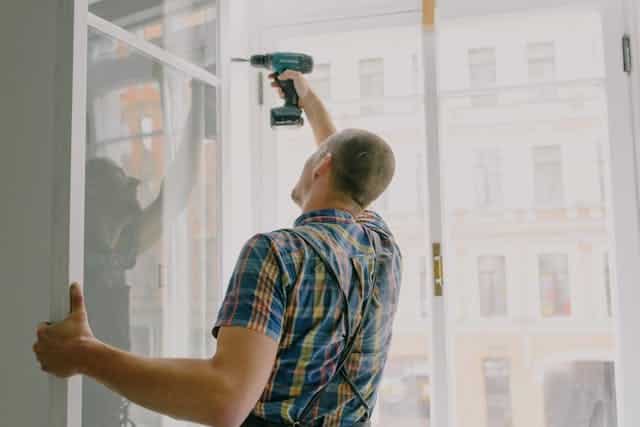
This includes fixing electrical problems, plumbing issues, HVAC malfunctions, and structural repairs. Always notify the tenant in writing and schedule the visit during appropriate hours.
Routine Inspections
Regular property inspections are allowed to ensure lease compliance and protect your investment. However, these must be clearly outlined in the lease agreement. You should also specify how often inspections will occur and what areas will be reviewed.
Emergencies
Emergency situations allow landlords to bypass the notice requirement. If there is a fire, serious water damage, gas leak, or another condition that poses an immediate threat to safety or property, you are permitted to enter the unit without prior notice.
Showing the Property
If a tenant has given notice to vacate, you may begin showing the unit to prospective tenants or buyers. However, excessive showings can be considered disruptive. Limit them to reasonable hours and coordinate with the current tenant in order to minimize the risks that come with vacancies.
Consent or Court Order
You may also enter a unit with the tenant’s written permission or if you obtain a legal order from a court. If a tenant abandons the property, entry without notice may also be permitted.
What Does Not Justify Landlord Entry?
Certain actions and reasons are not considered valid under any circumstances. Entering the property without appropriate cause or notice is a violation of the tenant’s rights.
Casual Check-ins
Dropping by to “check on things” is not a valid reason to enter. Doing this frequently without notice may constitute harassment and can erode trust between you and your tenant.
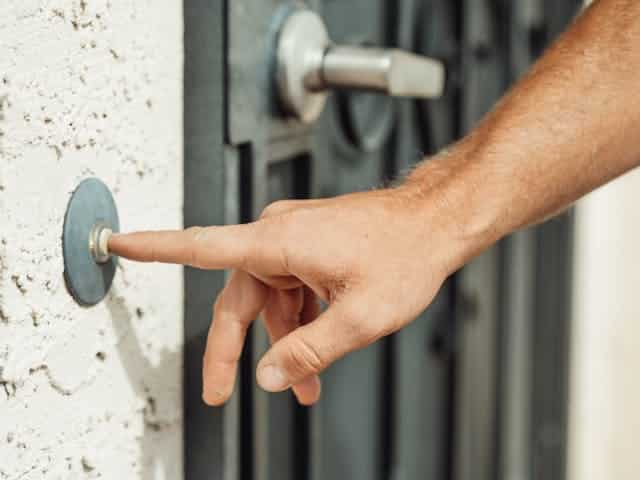
This is a common tenant complaint that can be easily fixed.
Entry With the Intent to Harass
If your purpose is to intimidate, pressure, or force a tenant to move out, that is considered harassment and may lead to legal action. This applies even if your reasons are masked as “routine visits.”
Excessive Property Showings
While it is legal to show a unit, doing it too frequently can interfere with a tenant’s peaceful enjoyment of the home. Make sure showings are planned, respectful, and infrequent enough to avoid disrupting daily life.
How Can a Landlord Protect Tenant Information?
Landlords collect sensitive personal data during the application and leasing process. This includes background checks, references, financial records, and more. Protecting this information is not optional. It is your responsibility.
Use Strong Data Encryption
Digital records should be encrypted to prevent unauthorized access. This involves converting files into coded formats that require a key or password to decode.
Keep Security Systems Updated
If you store tenant information digitally, be sure your software and hardware are protected with the latest security patches. Outdated systems are vulnerable to cyberattacks.
Use Secure Payment Gateways
If you collect rent or deposits online, ensure your payment system follows best practices for data protection. Use platforms that provide secure transactions and fraud protection.
Limit Access to Sensitive Files
Only individuals with a legitimate need should access tenant files.

This may include a bookkeeper, property manager, or legal representative. Unauthorized access increases the risk of data leaks or misuse.
Work With a Property Management Company
Professional property managers already have systems in place to store and handle tenant information securely. They are also up to date on local and federal privacy laws, reducing your liability and ensuring full compliance.
Bottom Line
Respecting tenant privacy is more than just a courtesy. It is a legal requirement. When landlords follow the proper procedures and respect tenant boundaries, they build trust and encourage long-term tenancy. This can reduce turnover, increase on-time rent payments, and prevent avoidable legal issues.
Understanding tenant privacy rights, maintaining open communication, and protecting personal data are all essential components of responsible property management. If you want expert help managing these responsibilities, reach out to Specialized PM Indianapolis.
With more than 30 years of experience, our team has helped countless landlords maintain respectful, profitable, and legally compliant relationships with tenants across Indianapolis. Contact us today to learn how we can help protect your property and support your success as a rental owner.