Key Takeaways:
- Annual property maintenance can prevent costly repairs and tenant dissatisfaction.
- Proactively managing leases, pricing, and safety measures supports long-term profitability.
- Partnering with a professional team like Specialized PM Indianapolis can help streamline your responsibilities.
Being a landlord entails far more than simply collecting rent. At Specialized PM Indianapolis, we know it requires diligent attention to the upkeep of a property, transforming it into a comfortable and desirable residence for tenants.
Neglecting these responsibilities can lead to significant financial burdens from deferred repairs, diminish tenant satisfaction, and ultimately compromise the long-term value and condition of your real estate investment. Whether you’re a local or long-distance landlord, you need to stay on top of rental management.
This easy guide outlines the essential yearly responsibilities that every proactive landlord should prioritize to ensure the smooth operation of their rental property and the well-being of their tenants.
List of Essential Tasks For Landlords
Let’s walk through the most important tasks every landlord should check off each year to keep things running smoothly, avoid costly surprises, and keep tenants happy.
1. Renew Leases Before They Expire
Letting a lease roll into a month-to-month agreement without notice can be risky. It gives tenants the freedom to leave with short notice, which may leave you scrambling to find a new renter. Aim to start the lease renewal conversation 90 days before the lease ends and avoid the risks of a vacant rental property.

Send a friendly reminder via email or drop by to discuss. Include any proposed changes, such as rent adjustments or updated clauses. If you rent during off-peak times like winter, consider shorter leases initially so future renewals line up with high-demand seasons like summer.
2. Reassess Rental Prices to Match the Market
The rental market shifts constantly. You might be charging too little and missing out on income, or too much and scaring off potential tenants. Take time once a year to research what similar properties in your area are going for and find out if you can get more rent for your property.
Use rental listing websites, speak with property managers, or get insights from local real estate agents. If your property includes unique amenities or has recently been upgraded, you may be able to justify a higher price. On the flip side, be prepared to adjust downward if your rates aren’t competitive.
3. Test Smoke and Carbon Monoxide Detectors
These little devices save lives. Yet many landlords forget to check them. Some tenants remove them or ignore the beeping instead of replacing the batteries.
Make it a point to test each detector annually. If your property has multiple units, this becomes even more important. In some areas, it’s a legal requirement and if something goes wrong and they weren’t working, you could be held liable.
You can also include a clause in your lease stating that tenants are responsible for battery replacement, but ultimately, it’s wise to double-check for yourself.
4. Inspect for Water Leaks
Leaks are silent money drainers. They can skyrocket your water bill and quietly destroy floors, walls, and cabinets. Once a year, do a thorough inspection.
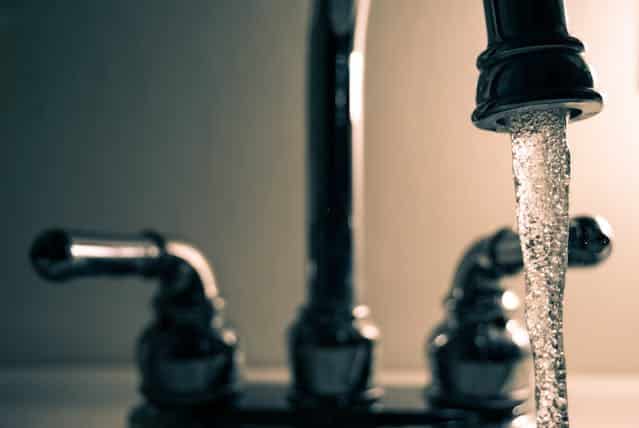
Check under sinks, around toilets, near water heaters, and in basements or crawlspaces. Watch for moldy smells, bubbling paint, or wet patches on ceilings. These signs often point to hidden issues.
If you spot something early, the repair will be minor and inexpensive. If you ignore it, you might be looking at thousands of dollars in damage.
5. Make Sure You Have Working Keys
Ever sent a maintenance person to a unit only to discover your copy of the key doesn’t work? Frustrating and costly. Always verify that you have functional keys to all rental units.
Test each one during your annual property check or renewal visit. If you’ve had lock changes during the year and weren’t notified, it’s better to find out now than during an emergency.
Make spare copies and store them securely. If you use a property manager or contractor, ensure they have updated copies too.
6. Review Your Insurance Policy
Insurance premiums tend to creep up, and sometimes coverage gets outdated. Once a year, review your policy to make sure you’re covered for everything you need including property damage, liability, and loss of rent.
It’s also a good time to compare quotes from other providers. You might find a better deal or more comprehensive coverage for the same price.

But don’t switch just to save a few bucks unless the coverage is solid. Some transitions come with fine print or delays that aren’t worth the hassle.
7. Update Tenant Contact and Emergency Information
People change phone numbers and email addresses more often than you’d think. What worked when they moved in might not work now.
Ask tenants to confirm their contact details annually. While you’re at it, get updated emergency contacts too. If something urgent happens like a flood, fire, or serious maintenance issue, you’ll need to reach someone quickly.
A quick phone call or email can sort this out, and tenants will appreciate the extra care.
8. Check and Replace Furnace Filters
Furnace filters trap dust and allergens, improving air quality and helping your HVAC system run efficiently. If tenants don’t replace them, it can lead to higher energy bills, equipment strain, or even fires.
You can include this responsibility in your lease, but it’s best to verify it’s being done. Filters are cheap, and changing them takes five minutes. If you have multiple units or a building-wide system, set a reminder to do it yourself or schedule a service.
9. Clear Gutters and Downspouts
Gutters filled with leaves and debris can block water flow, causing roof damage, leaks, or foundation issues. If you have trees nearby, clogged gutters can become a seasonal nightmare.
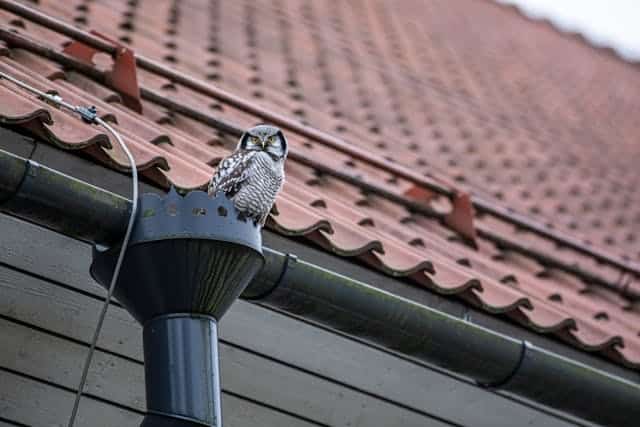
Schedule gutter cleaning at least once a year, or twice if your property is surrounded by trees. You can hire a professional or handle it yourself if you’re comfortable with heights.
Preventing water damage is always cheaper than repairing it later.
10. Renew Your Rental License (If Required)
Many cities require landlords to have a license or registration for rental properties. These often need to be renewed annually. Failing to do so can result in fines or even give tenants legal grounds to withhold rent.
Check your local regulations to see what applies to your area. Some places have online portals for easy renewal. Don’t let this one slip through the cracks as it’s an easy way to avoid unnecessary trouble.
Bottom Line
Staying on top of these yearly tasks might seem overwhelming, but they go a long way in protecting your property and keeping good tenants around. A little planning now can save a lot of stress and money later.
If managing everything on your own feels like a full-time job, you’re not alone and you don’t have to do it all yourself. Consider partnering with a trusted property management team to take the load off.
At Specialized PM Indianapolis, we have the tools, experience, and local expertise to keep your rental running like a well-oiled machine. Let us help make your life easier.