Key Takeaways
- Over 90% of renters view photos and videos before visiting a property, making video tours critical for attracting qualified tenants.
- A clean, well-lit, and well-planned video tour can significantly boost interest and reduce vacancy times.
- Using proper equipment, showcasing key features, and editing for clarity ensures your rental stands out in a competitive market.
Over 90% of renters look at photos and videos before visiting a property, making video tours one of the most powerful tools for attracting quality tenants and reducing vacancy time. A well-made video can highlight a rental’s best features and spark interest, while a poorly executed one can discourage potential applicants.
Specialized PM Indianapolis created this guide to help landlords produce clear, professional tours that showcase their properties effectively and encourage more applications.
Preparing the Property Before Filming
A clean, organized space creates the best first impression. Before recording, ensure the rental is in top condition by deep cleaning every room, including windows, floors, and appliances. Remove all personal items, clutter, and anything that might distract from the home’s features.
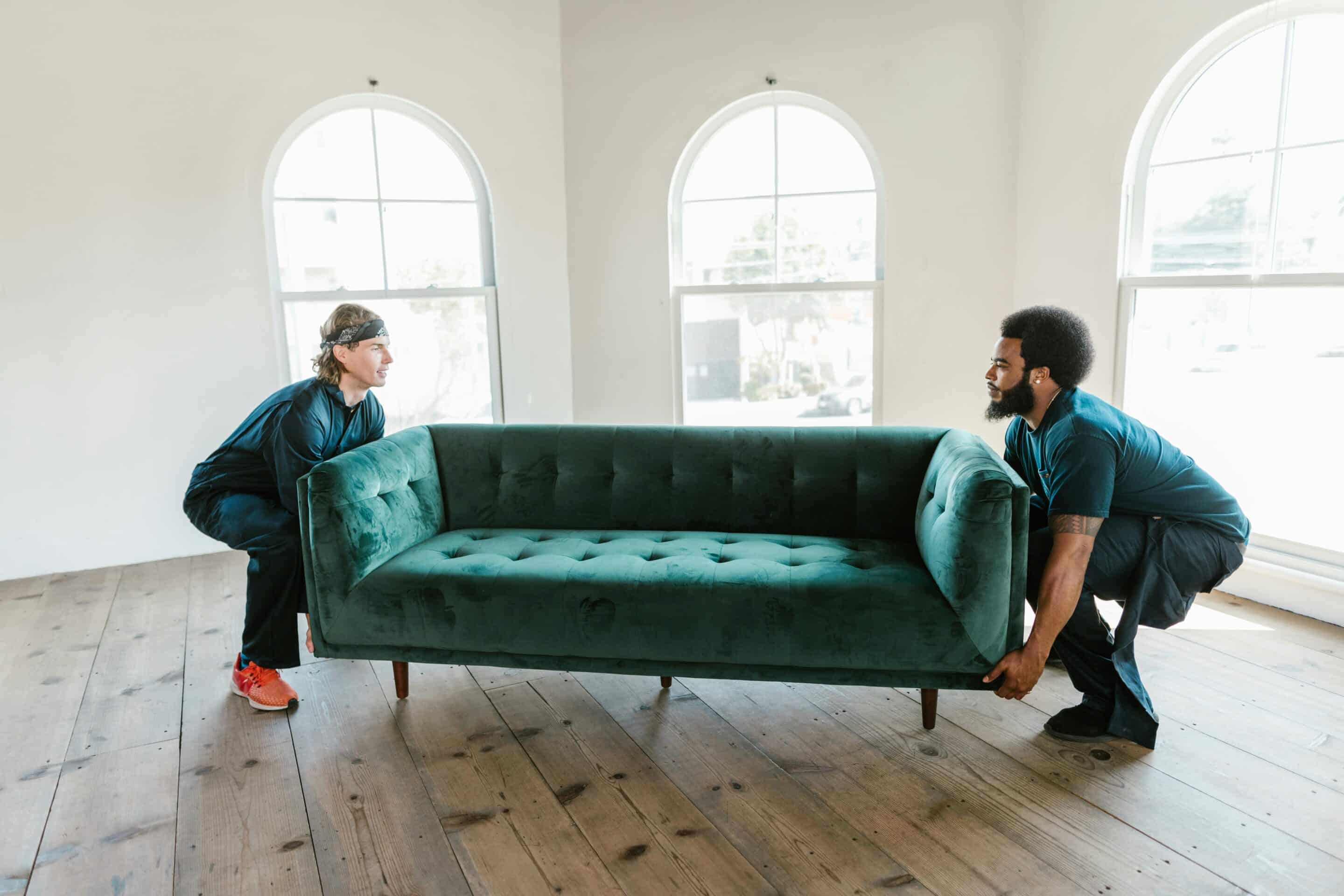
Confirm that all light fixtures work and that blinds or curtains allow in plenty of natural light. If possible, stage the property with simple furniture or minimal décor so viewers can picture themselves living there.
Using the Right Equipment
You do not need costly gear to produce a high-quality video tour, but the right tools can make a difference. Use a smartphone with a good camera or a basic digital camera that records in HD. A tripod or stabilizer will prevent shaky footage, and an external microphone is useful if you plan to speak during the tour.
Always film in landscape orientation for a wider view that is easier to watch and looks more professional than vertical video.
Planning Your Route and Script
A tour should feel organized and intentional. Decide the order in which you will move through the property, typically starting at the entrance, then covering the main living spaces, kitchen, bedrooms, bathrooms, and ending with outdoor areas.
Prepare a short script or bullet list of features to highlight in each space, such as “granite countertops,” “new carpet,” or “walk-in closet.” Rehearse your route without recording to ensure the flow works and no features are missed and you show how your property meets safety standards.
Lighting and Camera Angles
Film during the day whenever possible to take advantage of natural light. Open blinds and curtains, but avoid pointing the camera directly at bright windows to prevent dark, backlit footage.
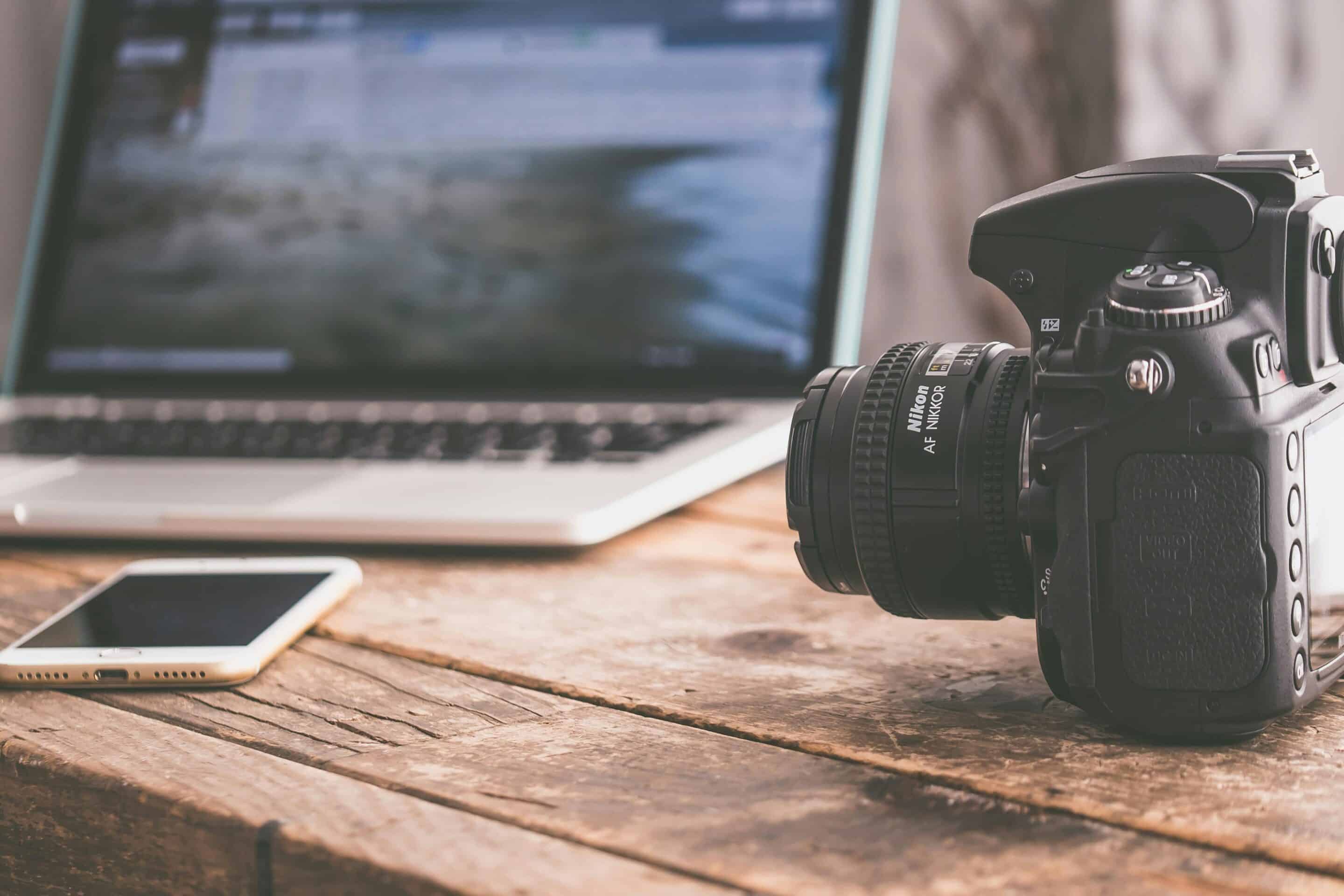
Keep the camera steady at chest height, moving slowly and panning side to side to capture the full room. Avoid sudden movements, frequent zooming, or excessive tilting, as these can distract viewers.
Highlighting Key Selling Points
Show details that matter to potential tenants, such as kitchen appliances, flooring, closet space, bathrooms, and outdoor features like patios or garages.
If you have recently made upgrades, including fresh paint, new fixtures, or energy-efficient appliances, make sure they are visible and mentioned. Whether you’re a local or long-distance landlord, showing off these upgrades can help you attract reliable tenants.
Keeping it Short and Engaging
Most viewers decide whether they are interested within the first minute, so aim for a video length of two to four minutes. Move at a steady pace, pointing out the most important features without lingering too long.
Ensuring Clear Audio or Using Captions
If you speak during the tour, ensure your voice is clear and background noise is minimal. Avoid filming when there is outside traffic, nearby construction, or loud appliances.
If audio is not possible, add captions or on-screen text to describe the property and its features.
Editing Before Sharing
Editing is key to creating a polished, professional video. Use simple editing software to trim unnecessary footage, adjust brightness and contrast, add room titles, and remove any awkward pauses or shaky moments.
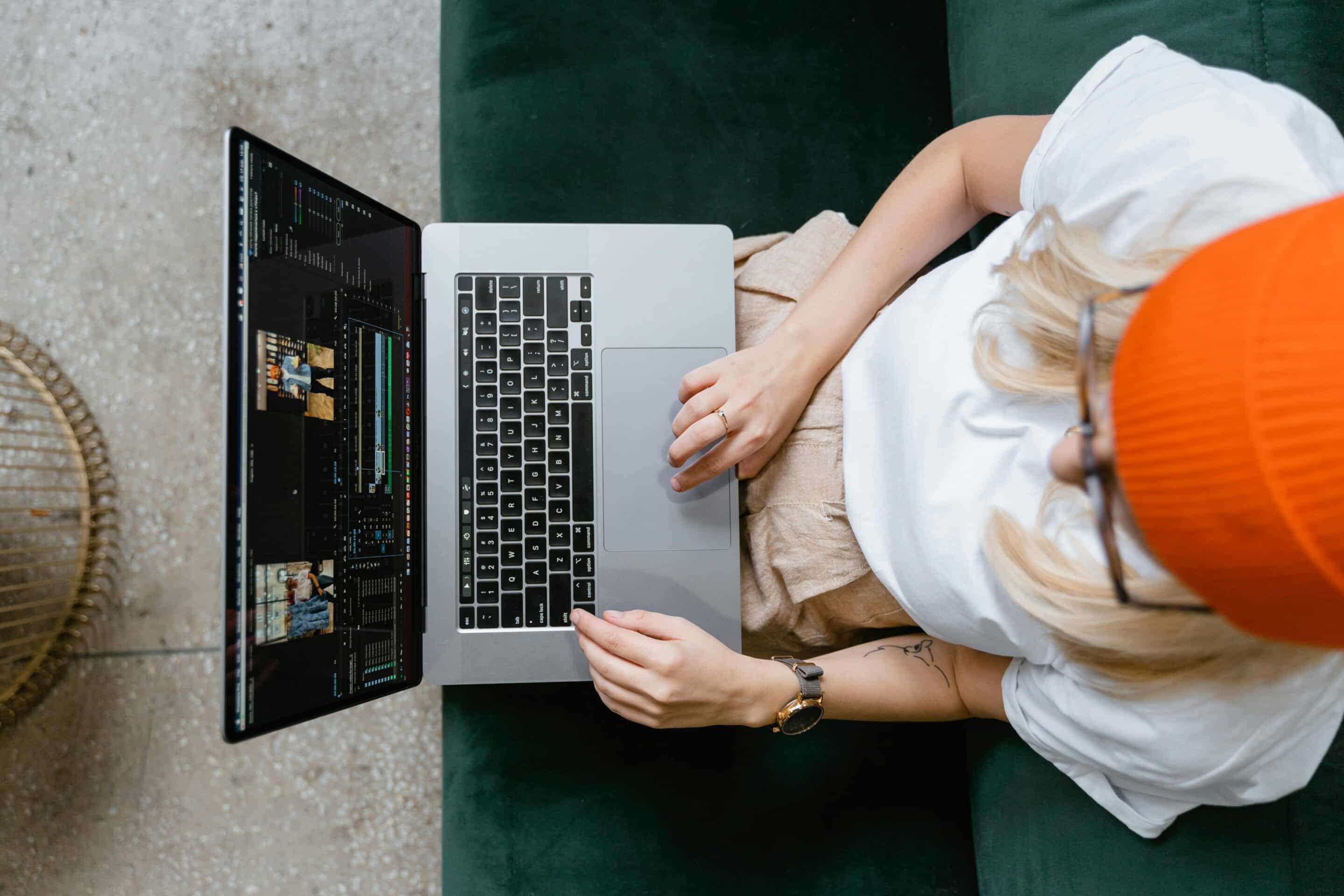
Keep the editing clean and avoid overly flashy effects or loud background music that might distract from the property itself. Attracting great tenants with a good video will help optimize your cash flow.
Testing the Video
Watch the final version on multiple devices, such as a phone, tablet, and computer, to ensure consistent quality and pacing. Ask a friend or colleague for honest feedback before publishing.
Making the Video Accessible
Once your video is ready, store it in a format that plays smoothly on all devices. Upload it to a private or public link so it can be shared easily in listings, emails, or social media posts.
Bottom Line
A professional, well-planned video tour can help your rental stand out in a competitive market. Preparing the property, using the right equipment, filming with good lighting, and highlighting key features all contribute to a more appealing presentation.
Clear audio, concise pacing, and thoughtful editing will help attract more qualified tenants and reduce wasted showings. Specialized PM Indianapolis can assist landlords by preparing, filming, and promoting rental properties to ensure they make the best impression.
Our team also manages showings, tenant screening, and leasing so you can save time and avoid stress. Contact Specialized PM Indianapolis today to learn how we can help you market your rental effectively and keep it occupied with reliable tenants.