
The end of a tenancy can be a hectic period for landlords. Ensuring that tenants vacate the property on time, coordinating inspections, arranging maintenance, and preparing the rental for new occupants can be overwhelming. One crucial factor that simplifies this process is ensuring a thorough end-of-tenancy cleaning. Requiring tenants to leave the property in pristine condition not only saves time but also minimizes disputes and reduces vacancy periods.
End-of-tenancy cleaning ensures that the property is move-in ready for the next tenant. It’s a standard clause in many lease agreements and is vital for maintaining the property’s value. By understanding its importance and setting clear expectations, landlords can streamline tenant transitions and protect their investments.
If you want to learn more, the experts at Specialized Property Management Indianapolis have written this guide. Keep reading to learn what is an end-of-tenancy cleaning and why you should add it to all your leases!
What Is End of Tenancy Cleaning?
End-of-tenancy cleaning is a deep cleaning process carried out when tenants vacate a property. This process goes beyond routine upkeep and addresses every aspect of cleanliness, including hard-to-reach areas. Key tasks often include:
- Living Areas: Dusting surfaces, cleaning windows, vacuuming carpets, and mopping floors.
- Kitchen: Cleaning appliances inside and out, degreasing stovetops, wiping down cabinets, and sanitizing countertops and sinks.
- Bathrooms: Scrubbing tiles, descaling fixtures, and sanitizing toilets, bathtubs, and sinks.
- Bedrooms: Dusting furniture, cleaning windows, and vacuuming carpets.
- Outdoor Areas (if applicable): Mowing lawns, trimming hedges, sweeping pathways, and clearing debris.
Thorough cleaning ensures the property is left in excellent condition, benefiting both tenants and landlords.
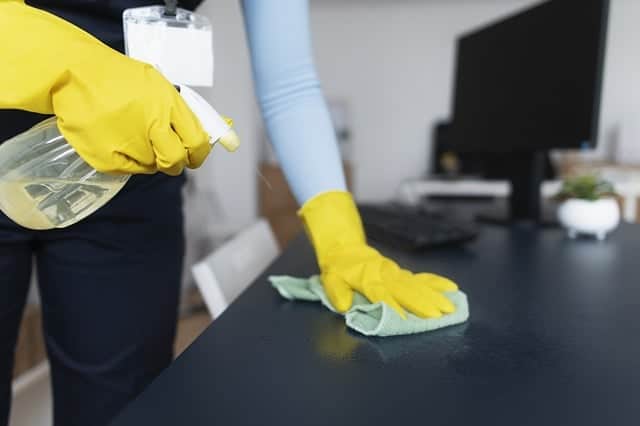
Tenants who meet these standards are more likely to receive their full security deposit, while landlords can attract new renters without delay.
Who Is in Charge of End of Tenancy Cleanings?
Responsibility for end-of-tenancy cleaning is typically shared, but the specific obligations depend on the lease agreement:
- Tenants: Most leases require tenants to leave the property clean and orderly. They can handle the cleaning themselves or hire professionals to meet the specified standards.
- Landlords: If the property is not cleaned adequately, landlords may arrange for cleaning services and deduct the cost from the tenant’s security deposit, provided this is outlined in the lease.
Clear communication and well-defined terms in the lease agreement help avoid misunderstandings about these responsibilities.
What Does an End of Tenancy Clean Entail?
End-of-tenancy cleaning aims to restore the property to its original, move-in-ready state. Essential tasks include:
Living Areas
- Dust and wipe all surfaces.
- Clean windows and mirrors.
- Vacuum carpets and mop hard floors.
Kitchen
- Clean inside and outside of appliances, including ovens and refrigerators.
- Degrease stovetops and sanitize countertops.
- Wipe down cabinets and polish fixtures.
Bathrooms
- Scrub tiles and descale faucets and showerheads.
- Sanitize toilets, sinks, bathtubs, and showers.
- Remove soap scum and grime.
Bedrooms
- Dust furniture and baseboards.
- Clean windows.
- Vacuum or steam-clean carpets.
Outdoor Areas (if applicable)
- Mow lawns and trim hedges.
- Sweep walkways and patios.
- Remove any debris or litter.

Including these tasks in a checklist makes expectations clear and ensures nothing is overlooked.
How to Ensure Tenants Comply with End-of-Tenancy Cleaning Standards
Maintaining a high standard of cleanliness at the end of a tenancy is essential for preserving the condition of your rental property and ensuring a smooth transition between tenants. You can encourage tenants to comply with end-of-tenancy cleaning standards by setting clear expectations and following proactive measures, such as the following:
1. Add a Cleaning Clause to the Lease
Your lease agreement should explicitly outline tenants’ responsibility to perform or arrange for end-of-tenancy cleaning. Specify the cleaning tasks required, such as deep cleaning carpets, scrubbing kitchen appliances, and ensuring the property is free of stains, debris, and odors.
Additionally, make sure to include a clause that explains the consequences of failing to meet these cleanliness standards, such as deductions from the security deposit to cover professional cleaning costs.
2. Provide a Cleaning Checklist
Including a detailed cleaning checklist as an addendum in your lease will help tenants understand exactly what is expected of them, preventing misunderstandings. Make sure your checklist covers all areas of the property, including the following:
- Living areas: Dusting, vacuuming, mopping, and cleaning windows.
- Kitchen: Cleaning appliances inside and out, degreasing stovetops, and sanitizing surfaces.
- Bathrooms: Scrubbing tiles, descaling fixtures, and sanitizing toilets, sinks, and showers.
- Bedrooms: Dusting furniture, cleaning windows, and vacuuming carpets.
- Outdoor areas: Mowing lawns, trimming hedges, and clearing debris if applicable.
Providing this checklist at the start of the tenancy ensures tenants are aware of their responsibilities from the beginning.
3. Conduct Regular Inspections
Regular property inspections during the tenancy can help monitor the tenant’s cleaning habits. If you spot any cleanliness issues, address them promptly. Early intervention prevents excessive cleaning needs at the end of the lease and reinforces the importance of maintaining the property.
4. Offer Professional Cleaning Services as an Option
Tenants often appreciate the option to hire a professional cleaning service. Providing contact details for trusted cleaners can make the process more convenient for both you and your tenants, ensuring the property is cleaned to a high standard. If tenants opt for this service, make sure the cost is agreed upon beforehand to prevent misunderstandings.
5. Communicate Expectations During Move-Out
Send tenants a friendly reminder about their cleaning obligations as the end of the lease approaches. Include a copy of the cleaning checklist and any additional instructions. Clear communication can motivate tenants to prioritize the cleaning process and reduce misunderstandings.
6. Conduct a Pre-Move-Out Inspection
Schedule a pre-move-out inspection with the tenants to assess the property’s condition before the move-out date. This will allow you to identify any areas that may require additional cleaning and give tenants the chance to address any shortcomings before vacating.
Providing constructive feedback during this inspection ensures a smoother final handover.
7. Be Fair and Transparent with Security Deposits
Security deposits as a common source of disputes between landlords and tenants. If your cleaning standards aren’t met, provide tenants with a detailed breakdown of deductions made to their deposit to cover cleaning costs. Include receipts or invoices to justify the amount deducted.

Being transparent and fair reduces the likelihood of disputes and helps tenants understand the consequences of non-compliance.
Bottom Line
End-of-tenancy cleanings are crucial for maintaining a rental property’s condition, ensuring the property is ready for new tenants, and preventing unnecessary disputes over security deposits. As a landlord, you can encourage tenants to fulfill their cleaning responsibilities by setting clear expectations, providing detailed cleaning checklists, and offering resources like professional cleaning recommendations.
Regular communication and inspections further help reinforce these standards. By taking a proactive and fair approach, you can ensure smooth transitions between tenants while protecting your investment.
Do you need help enforcing end-of-tenancy cleaning standards? The team at Specialized Property Management Indianapolis can help you. Contact us today to learn more!